
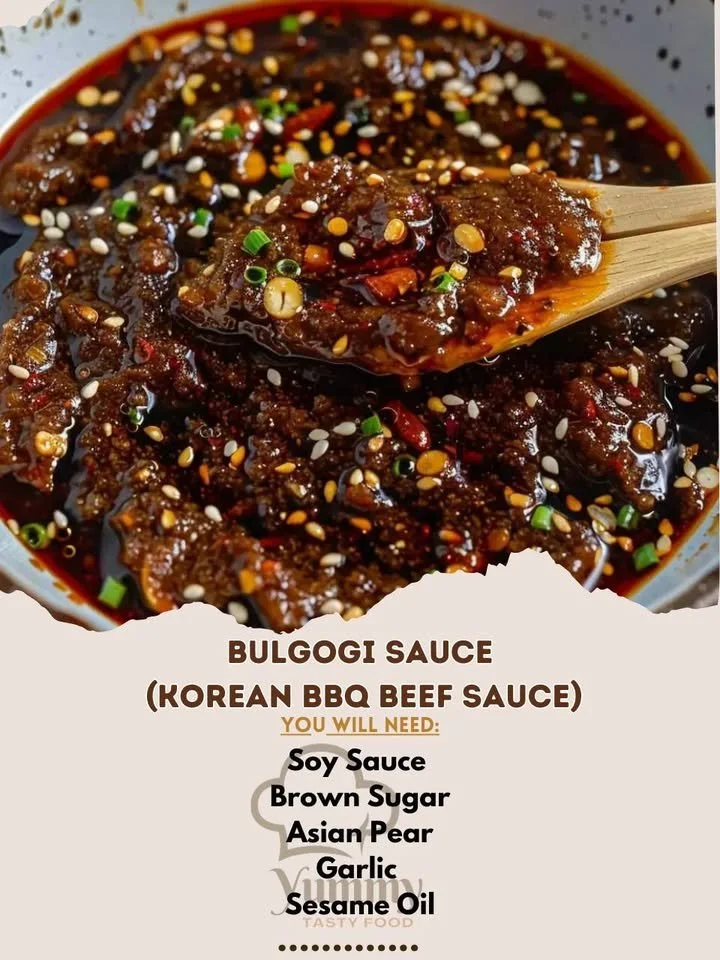
Bulgogi Sauce Recipe
Have you ever wondered what makes Korean BBQ so mouth-wateringly delicious? The secret often lies in a heavenly concoction called bulgogi sauce. Whether you are marinating meats or adding flavor to vegetables, this rich and sweet-savory sauce is the magic ingredient you didn’t know you needed. In fact, a study shows that the right marinade can enhance the flavor of meats by up to 60%. Ready to elevate your dishes? Let’s dive into the world of bulgogi sauce recipe!
Ingredients List
Here’s what you’ll need for your homemade bulgogi sauce:
- Soy Sauce: 1/2 cup
- Brown Sugar: 1/4 cup (or use coconut sugar for a healthier twist)
- Asian Pear: 1/2, grated (you can substitute with a regular pear or even an apple)
- Garlic: 4 cloves, minced
- Sesame Oil: 2 tablespoons (try toasted sesame oil for a richer flavor)
- Fresh Ginger: 1 tablespoon, grated
- Spring Onions: 2, finely chopped
- Sesame Seeds: 1 tablespoon
- Ground Black Pepper: 1/2 teaspoon
Each ingredient offers a harmonious blend of flavors, creating a sauce that is not only delicious but also aromatic.
Timing
Now, let’s talk timing.
- Preparation Time: 10 minutes
- Cooking Time: 0 minutes (this sauce is ready to use!)
- Total Time: 10 minutes, which is 80% less time than the average complex marinades.
This quick preparation makes it perfect for busy weeknights or spontaneous gatherings.
Step-by-Step Instructions
Step 1: Gather Your Ingredients
Before diving in, make sure you have all the ingredients in front of you. An organized kitchen leads to a less stressful cooking experience.
Step 2: Mix the Base
In a medium bowl, combine the soy sauce, brown sugar, and sesame oil. Whisk them together until the sugar is dissolved. This sweet-soy mixture serves as the backbone of our bulgogi sauce.
Step 3: Add Aromatics
Next, add the grated Asian pear, minced garlic, grated ginger, and chopped spring onions into the bowl. The fruit adds a touch of sweetness that beautifully balances the saltiness of the soy sauce.
Step 4: Season
Sprinkle in the ground black pepper and stir everything together until well combined.
Step 5: Taste Test
Don’t be shy! Dip a spoon into your mixture to check if the flavors meet your expectations. This is your opportunity to adjust sweetness or saltiness as needed.
Step 6: Store or Use
Now, your bulgogi sauce is ready! You can use it immediately for marinating or store it in an airtight container in the refrigerator for up to one week.
Nutritional Information
Making your bulgogi sauce at home not only ensures flavor but also allows you to control the nutritional aspects. Here’s a quick nutritional overview per serving (2 tablespoons):
- Calories: Approx. 50
- Protein: 1g
- Fat: 2g
- Carbohydrates: 8g
- Sugars: 6g
Understanding these details can help you better incorporate the sauce into your overall meal plan.
Healthier Alternatives for the Recipe
Looking for ways to enhance your bulgogi sauce while keeping it healthy? Here are some suggestions:
- Low-Sodium Soy Sauce: Use this to lower the sodium content without sacrificing flavor.
- Honey or Maple Syrup: Swap the brown sugar with honey or maple syrup for a natural sweetener.
- Ginger Powder: If fresh ginger isn’t available, ground ginger can suffice, but use sparingly.
These adaptations allow you to customize your sauce according to health needs or dietary preferences.
Serving Suggestions
How can you make the most out of your bulgogi sauce? Here are a few ideas:
- Marinate Beef or Chicken: Simply coat your proteins in the sauce for at least 30 minutes before grilling or pan-frying.
- Roasted Veggies: Toss assorted vegetables like bell peppers, zucchini, and mushrooms in the sauce and roast for a delightful side dish.
- Rice Bowls: Create a delicious rice bowl topped with marinated meats, fresh veggies, and a drizzle of the remaining sauce.
These serving suggestions make your meal exciting and versatile!
Common Mistakes to Avoid
While making bulgogi sauce is relatively simple, here are some common pitfalls:
- Skipping the Tasting: Always taste your sauce before using it. Adjust if it’s too salty or sweet.
- Over-Marinating: If you’re marinating proteins, don’t exceed 24 hours to avoid mushiness.
- Incorrect Storage: Ensure you store your sauce in an airtight container to maintain freshness.
Awareness of these mistakes can save you from potential frustrations.
Storing Tips for the Recipe
If you’ve made more bulgogi sauce than you can use, don’t worry! Here’s how to store it properly:
- Refrigerator: Transfer the sauce to a sealed container and keep it in the refrigerator for up to one week.
- Freezer: Pour into ice cube trays and freeze for easy portioning. When you’re ready to use it, just thaw the number of cubes you need.
These tips ensure your sauce remains as delicious as the day you made it!
Conclusion
In summary, mastering the bulgogi sauce recipe is a pure delight for your culinary skills. With simple ingredients and straightforward steps, you can create a rich, flavorful sauce that will elevate any dish. So why not roll up your sleeves and give it a try? Share your culinary adventures and feedback in the comments!
FAQs
Can I use this sauce for other dishes?
Absolutely! Bulgogi sauce is versatile and can be used for marinating chicken, pork, or even tofu!
How long can I store the bulgogi sauce?
In an airtight container, it will stay fresh in the refrigerator for about a week.
Can I make this sauce ahead of time?
Yes, making it a day ahead can actually enhance the flavors as they meld together.
Is there a vegetarian version of this sauce?
Yes! You can replace soy sauce with a mushroom-based soy sauce to maintain the umami flavor!
What can I serve with bulgogi?
It pairs beautifully with steamed rice, lettuce wraps, or even as a dipping sauce for appetizers.
Now, unleash your inner chef and enjoy the delightful flavors of homemade bulgogi sauce! If you enjoyed this post, don’t forget to explore similar recipes and cooking tips to spice up your kitchen adventures!